


Ucom Highlights the Role of Technology in Nature Conservation at COP17
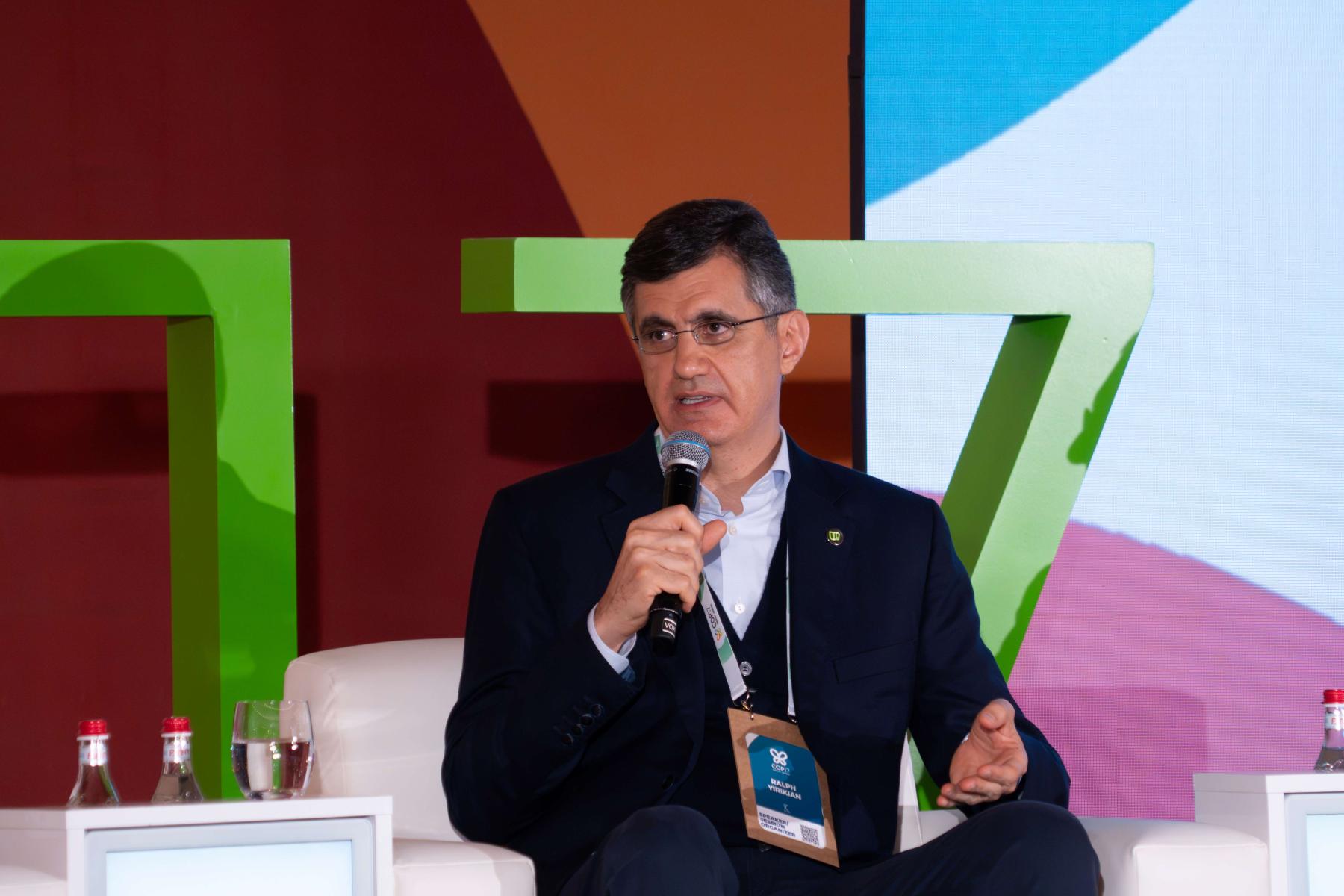
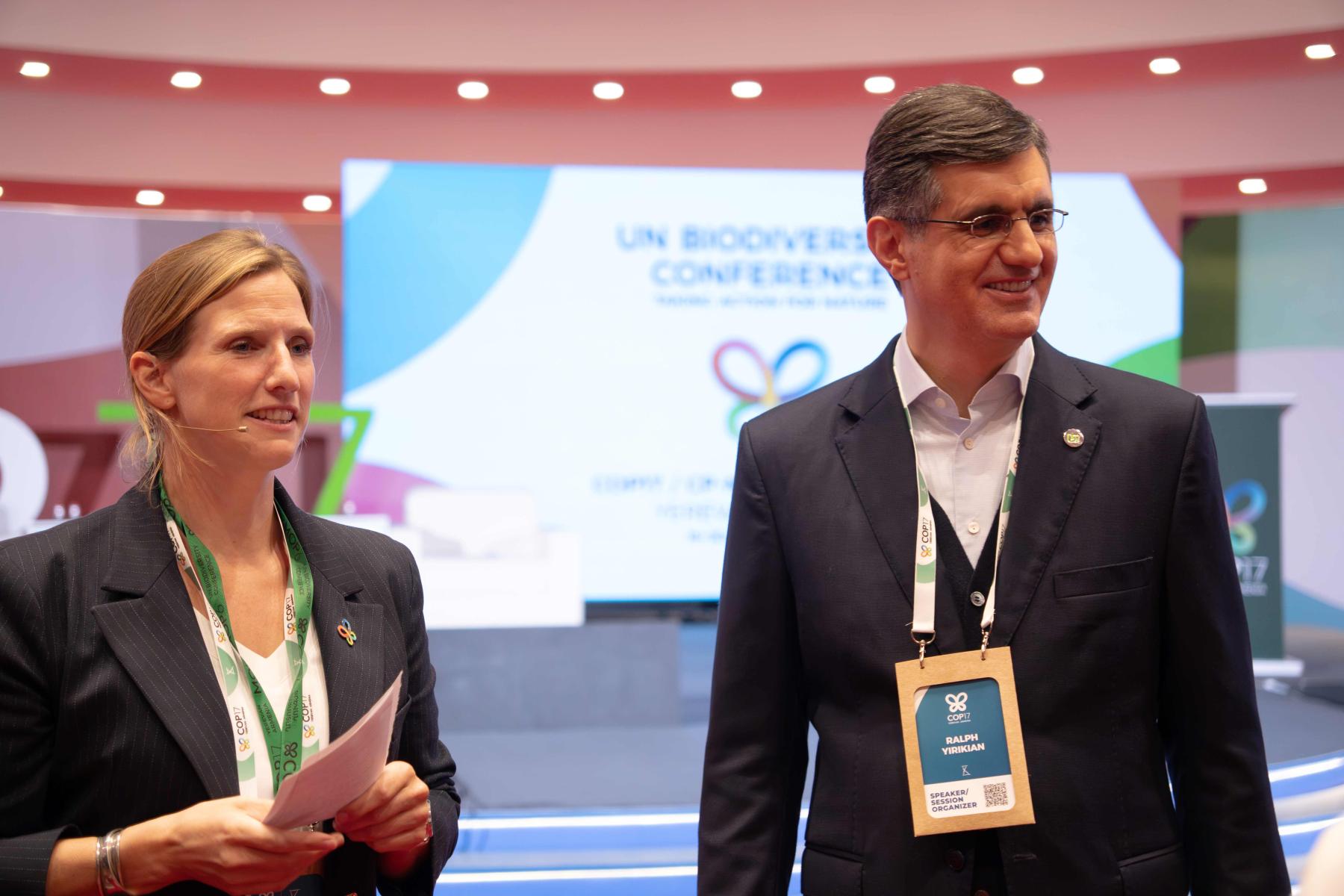
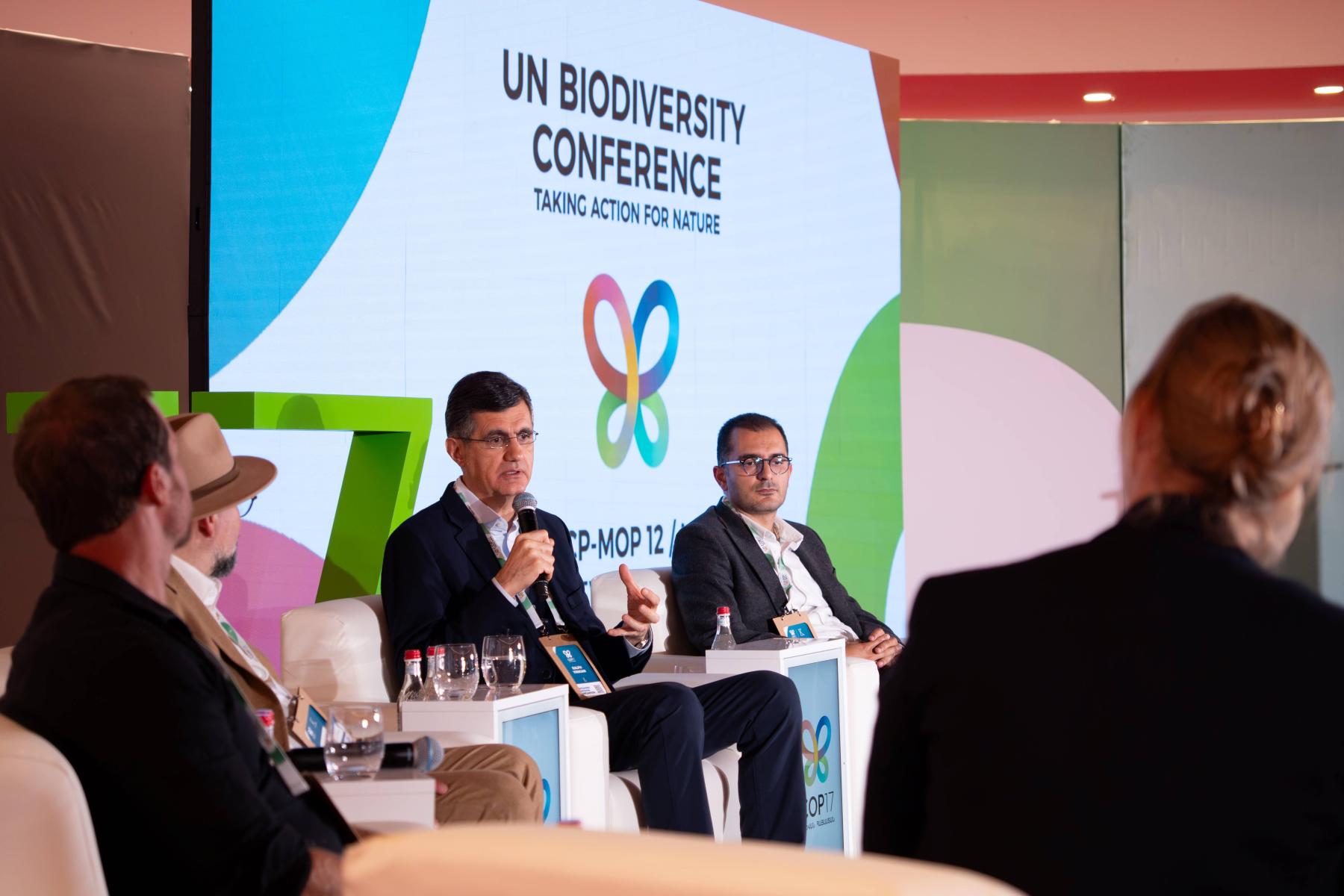
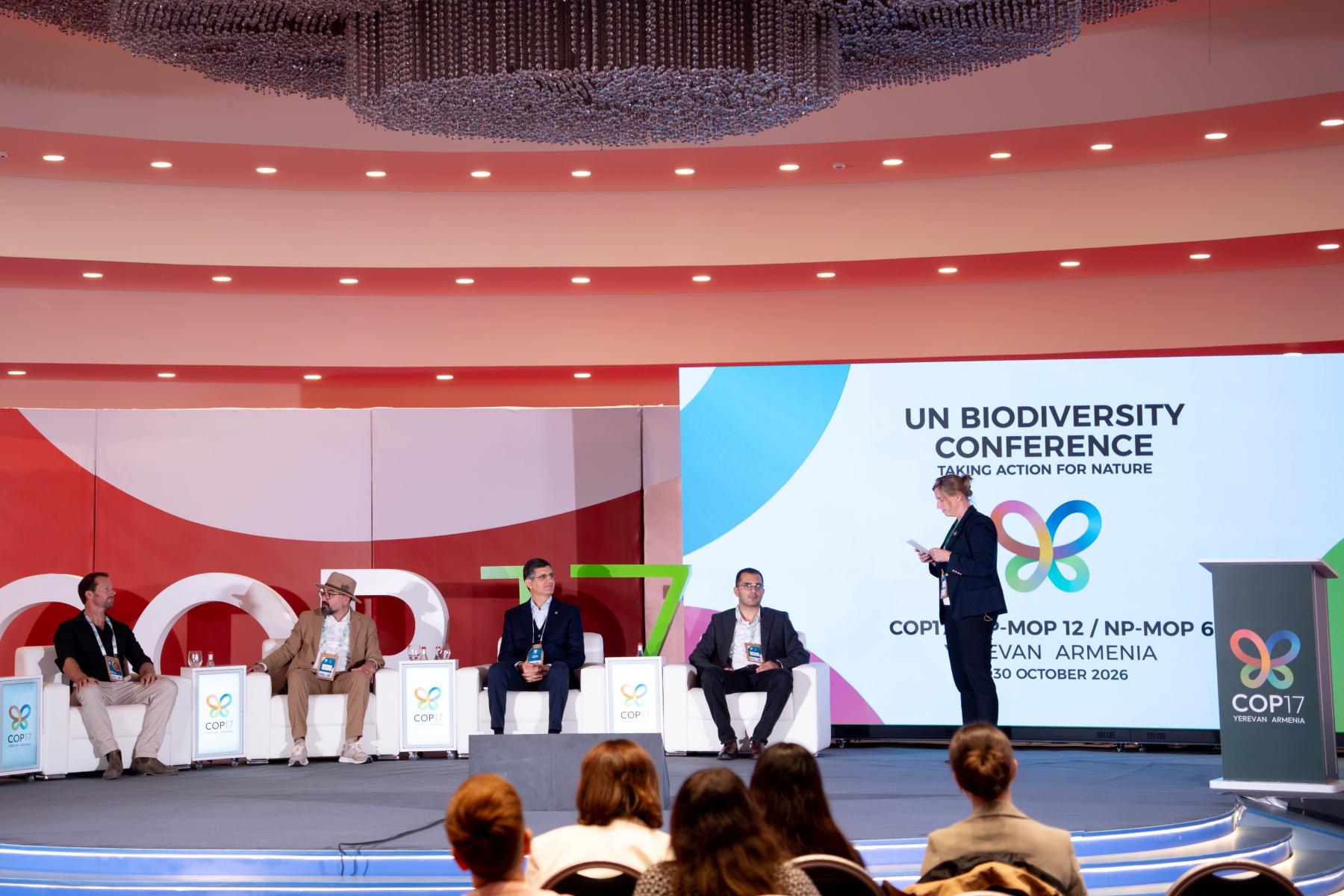
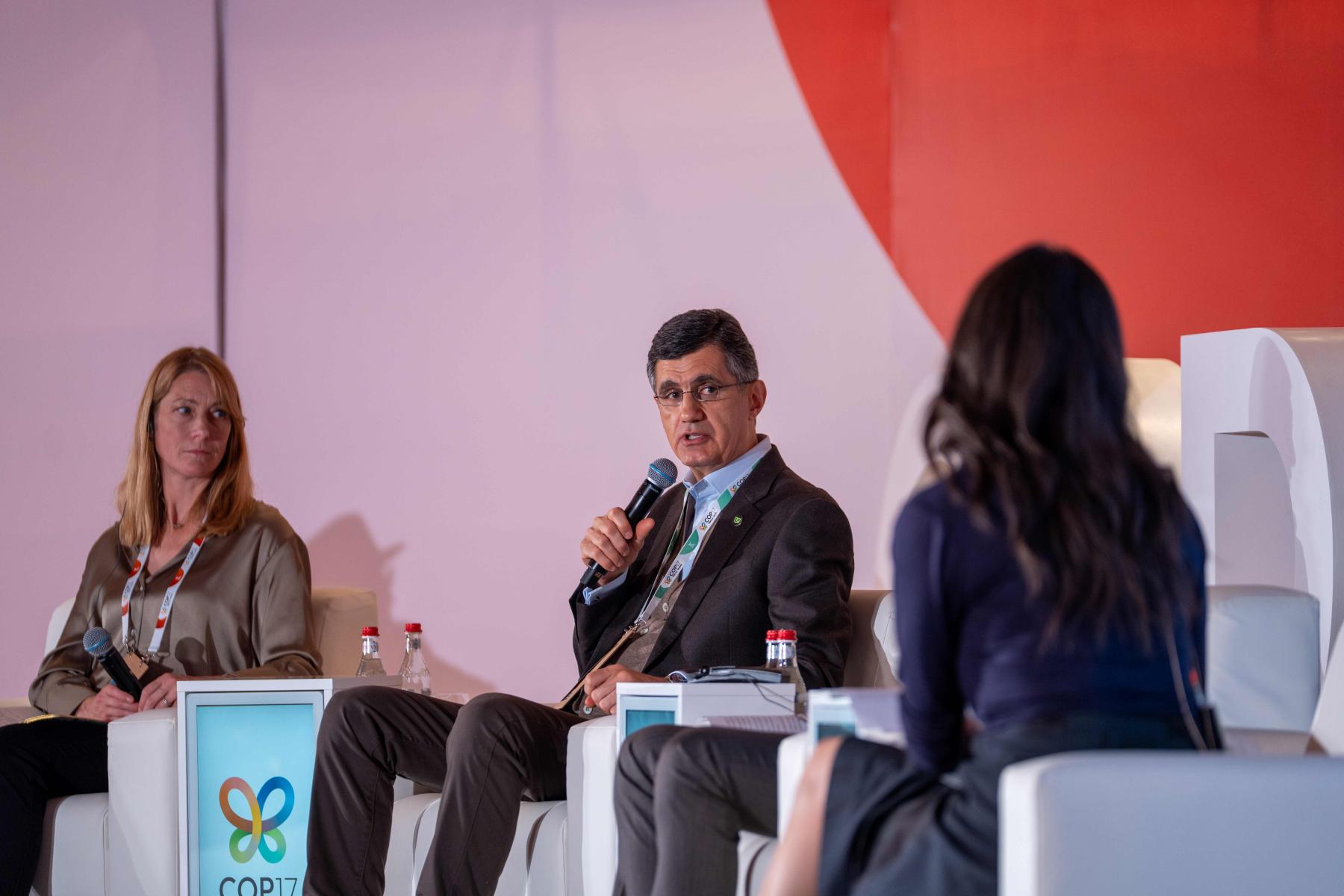
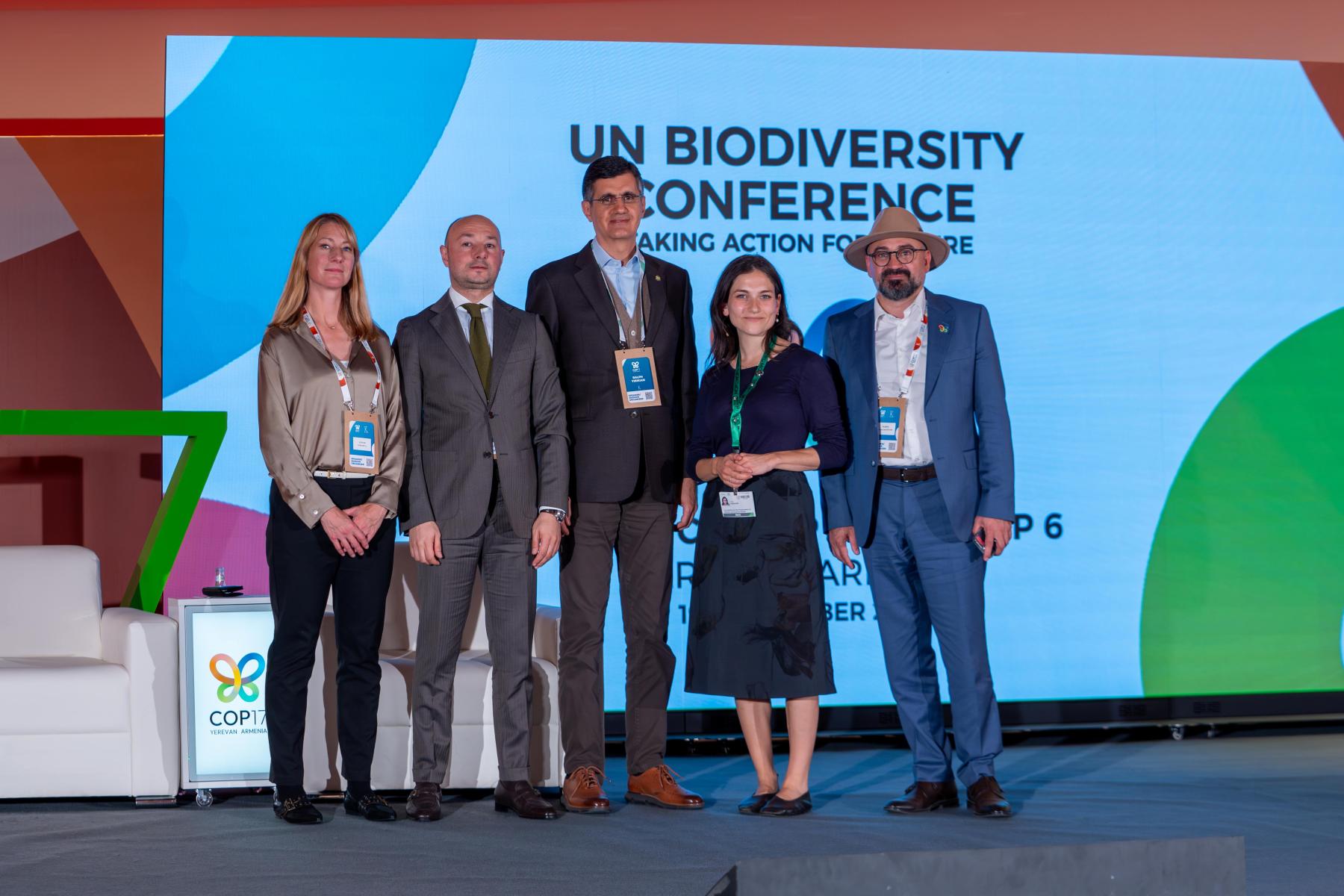
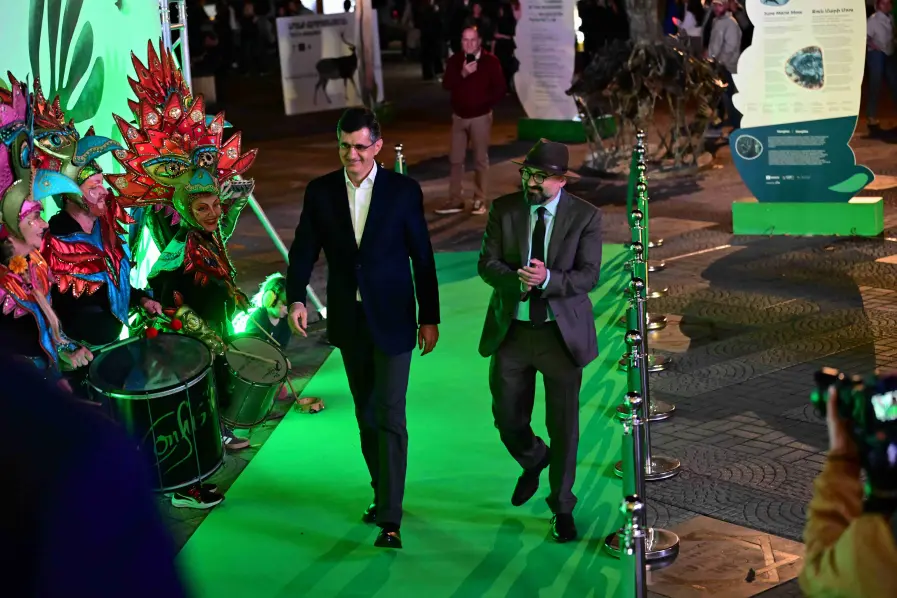
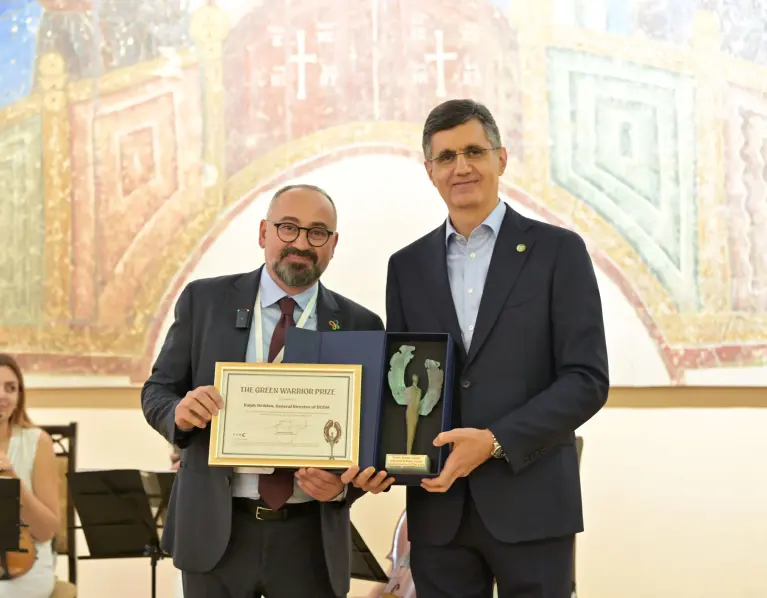
Ucom General Director Ralph Yirikian participated in two panel discussions held in the Green Zone of COP17, the 17th Conference of the Parties to the UN Convention on Biological Diversity. The discussions focused on the responsibility of businesses in nature conservation and the importance of connectivity infrastructure. As part of its strategic partnership with FPWC, Ucom joined COP17 with a shared pavilion showcasing years of work and new initiatives in nature conservation, renewable energy and technological solutions.
The panel “The Invisible Supplier: Business, Biodiversity and the Unpriced Input” focused on the economy’s dependence on natural resources and ecosystems. Participants explored how nature loss and climate change affect companies across different sectors and why nature conservation should be integrated into long-term business decisions.
Ruben Khachatryan, Founder and Director of FPWC; Frunz Harutyunyan, Head Winemaker at Maran Winery; and Andy Orchard, creator of the Puro Fairtrade Coffee brand and Consultant at Miko Group joined Ralph Yirikian on the panel. Ucom also highlighted the relationship between the telecommunications sector and the natural environment, from energy use and infrastructure operations to measures aimed at reducing the company’s environmental impact.
As part of its commitment to environmental responsibility, Ucom has also assessed greenhouse gas emissions from its headquarters’ operations and developed a roadmap to reduce them through 2036. This work enables the company to quantify its environmental impact and plan measures to improve energy efficiency.
“The long-term development of businesses is directly linked to the environment in which we live and work. Nature conservation should therefore have a place in companies’ decisions and investments. At Ucom, we are committed to putting technological progress at the service of Armenia’s sustainable development. Our longstanding partnership with FPWC is a practical expression of this approach. I am confident that, through shared responsibility and consistent action, we can achieve more, helping protect our country’s natural environment and improve the well-being of communities,” said Ralph Yirikian, General Director of Ucom.
The second panel, “Connectivity as Conservation Infrastructure: Who Pays to Cover Land With No Customers?”, addressed the provision of reliable connectivity in remote protected areas. The discussion focused on data transmission from cameras and sensors, early fire warnings, environmental monitoring and the safety of staff responsible for protecting these areas.
The panel also featured Ruben Khachatryan, Founder and Director of FPWC; Sophie Maxwell, Executive Director of the Connected Conservation Foundation; and Armen Hunanyan, Head of the Telecommunications Department at the Public Services Regulatory Commission of the Republic of Armenia. Participants explored how cooperation among businesses, conservation organizations and regulators, together with long-term approaches to funding, can help make connectivity available in areas of conservation value.
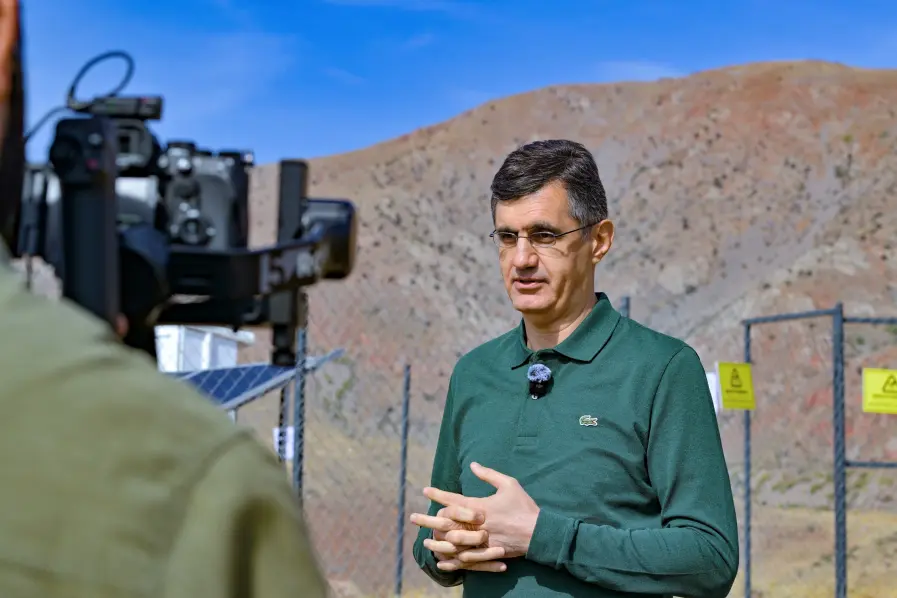
Through the longstanding partnership between Ucom and FPWC, solar power systems are being installed in communities, while thermal imaging cameras and cameras used to monitor wildlife and birds are being provided with internet connectivity. These solutions help monitor biodiversity, detect fire risks early and support more effective protection of these areas.


 google play market
 apple store

